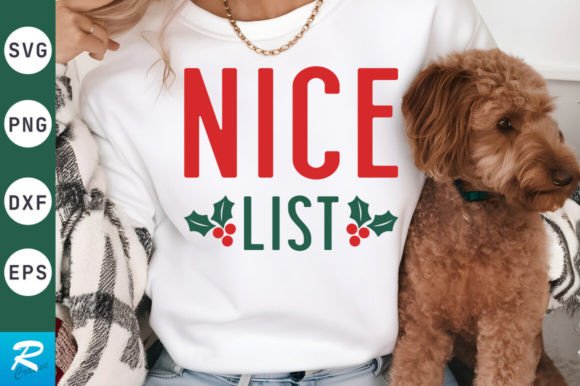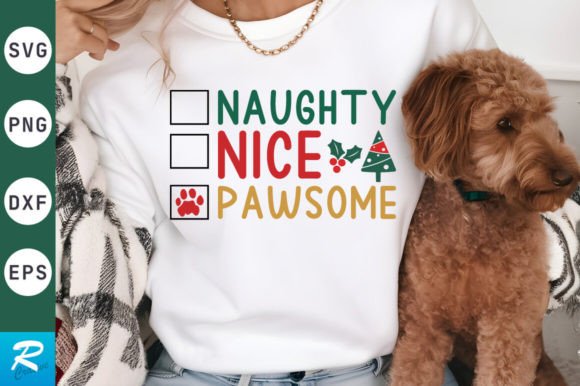
Naughty Nice SVG Design: A Balanced Embroidery Pick for Crafters
Real-World Performance in Embroidery Projects
Custom Apparel: On a cotton-blend t-shirt, the Naughty Nice SVG Design stitched cleanly with good definition. The colors were vibrant when using contrasting thread shades, especially when paired with light-colored fabrics. For a sweatshirt made from a thicker fleece blend, the stitch density needed some adjustment to avoid puckering, but once optimized, it looked sharp and professional.
Tote Bag Design: When applied to a canvas tote bag, the design maintained its structure and didn’t distort, even after several washes. The stabilizer used played a big role here—using cutaway stabilizer helped keep the fabric flat and prevented any stretching or shifting during the process.
Baby Clothes & Nursery Decor: I tried it on a onesie, and while the overall look was adorable, the small details started to lose clarity due to the thin fabric. This suggests that for baby items, it's better to simplify the design or use slightly heavier-weight fabric if you want to preserve all the nuances.
Embroidered Patch: The Naughty Nice SVG Design worked surprisingly well as an embroidered patch. It added a nice pop of color and character to denim jackets and backpacks. The edges were clean, and the overall stitch count felt manageable for a small hoop setup.
Pillow Covers & Tea Towels: These are excellent surfaces for this design. The texture of linen or cotton pillow covers allowed the fill stitches to show off their depth, while the tea towel version gave a more graphic feel. Both versions turned out visually appealing and suitable for resale in a craft business or boutique setting.
Where to Use with Caution
- Small Hoop Sizes: The design includes elements that could be tricky in smaller hoops. If you’re planning to use it on a cap or hat, consider resizing carefully and testing it on scrap fabric first.
- Textured or Stretchy Fabrics: Designs like this tend to lose their crisp lines on stretchy materials such as spandex blends or knit fabrics. They also may struggle on textured surfaces unless you adjust the stitch type (e.g., using running stitch instead of dense fill).
- Dense Stitch Areas: Some parts of the design have tight clusters of satin or fill stitches. If your machine struggles with heavy stitch areas, you may need to break the design into sections or reduce the stitch density slightly.
- Dark Fabric Backgrounds: While the design looks bold on light backgrounds, it can become less visible on darker ones. Testing with white or cream fabric gives the best visibility, but if you must use dark fabric, ensure the thread colors provide enough contrast.
- Curved Surfaces: When working on curved areas like caps or sleeves, the corners and curves of the design should be inspected closely. Without proper compensation in the software, these areas can warp or pull.
Design Notes for Practical Application
- Test First: Always try the design on a scrap piece of the intended fabric before moving to the final product. This helps identify potential issues with stitch tension, distortion, or visibility.
- Check Thread Color Contrast: The default thread colors included in the file are cute, but they might not always complement your chosen fabric. Don’t hesitate to customize them for better visual impact.
- Review Stitch Density: If the design includes intricate fill areas, review the stitch density settings in your embroidery software. Too much density can lead to puckering, while too little can cause gaps or uneven coverage.
- Confirm Hoop Size: Before committing to production, check whether the design fits within your available hoop sizes. If it doesn’t, you may need to scale it down or rework certain elements.
- Inspect Small Details: The Naughty Nice SVG Design has subtle elements that may get lost if scaled too small. Ensure these remain visible and intact, especially if the design is part of a larger set of graphics.
- Use Proper Stabilizer: Especially for lightweight or stretchy fabrics, using the right stabilizer is crucial. Try different types—tackless, tear-away, or cutaway—to find what works best for each material.
- Black and White Mockups: Create a black-and-white version of the design to evaluate how it will look in grayscale. This is helpful for determining contrast and legibility before purchasing threads.
- Compare Light and Dark Backgrounds: See how the design behaves on both ends of the spectrum. Sometimes, the same design can read very differently depending on the fabric color.
- Licensing Check: If you plan to sell finished products or digital embroidery files, confirm the licensing terms for Naughty Nice SVG Design. Not all free designs are safe for commercial use, and it’s important to protect yourself and your business.